
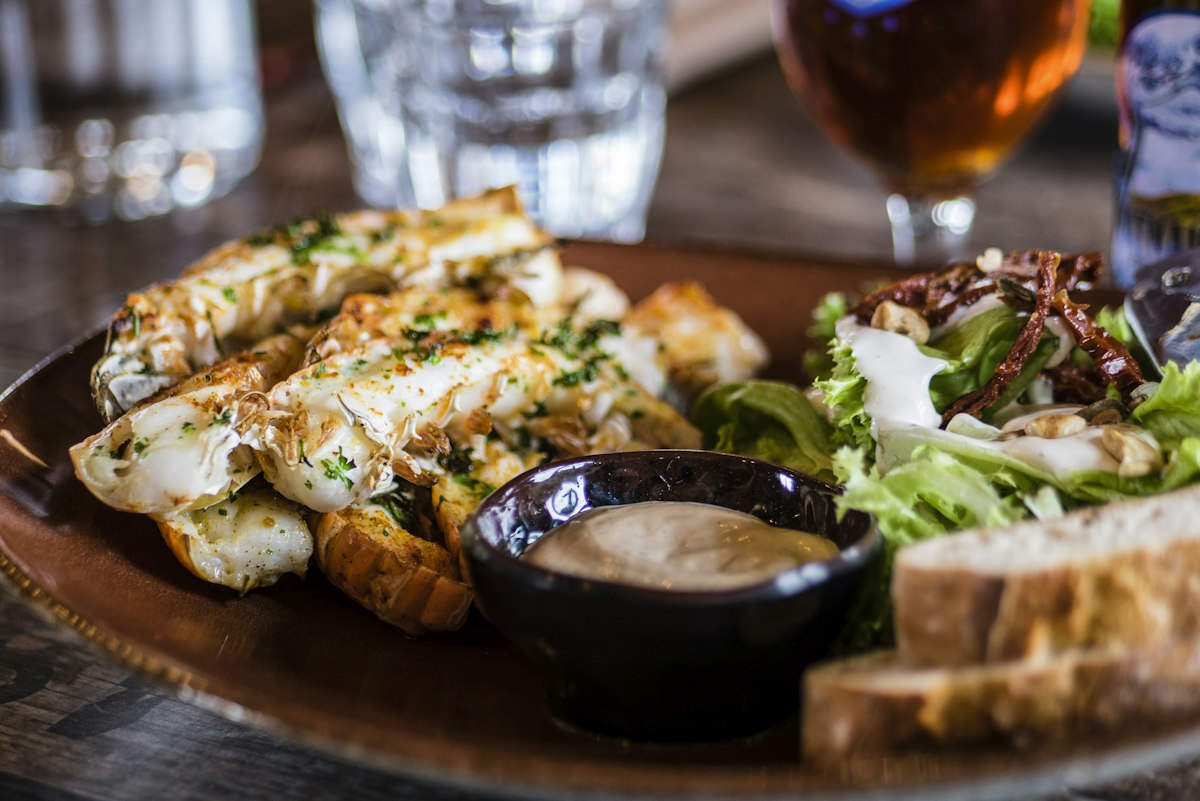
The visual presentation of food significantly impacts customer ordering behavior. Research consistently demonstrates that professional food photography increases sales, improves perceived value, and enhances the overall dining experience. For restaurants without budgets for professional photography services, modern smartphone cameras offer remarkable capabilities when paired with proper technique. This guide presents research-backed food photography methods that restaurant operators can implement immediately.
The Business Impact of Food Photography
Before diving into technique, understanding the business case for quality food photography is essential:
Research Findings
A 2024 study by OctoTable revealed that descriptions with professional images increase sales by 22%. Additional research from Cornell University and menu engineering studies shows that customers spend more on items with photos, order more items overall, and report higher satisfaction with their dining experience.
Visual appeal operates at a subconscious level. The brain processes images 60,000 times faster than text, and food photography triggers appetite responses that text descriptions cannot replicate. For online ordering-where customers cannot smell or see actual food-photography becomes the primary sensory input driving decisions.
Equipment: Smartphones Are Sufficient
A common misconception holds that professional food photography requires expensive camera equipment. Industry professionals increasingly acknowledge that technique matters more than equipment.
"It's not about the camera, it's more about understanding composition, colors, [and] lighting. Practicing with a cell phone allows restaurant operators to learn what works without a significant investment."
- RestaurantOwner.com Photography Guide
Smartphone Capabilities
Modern iPhones and flagship Android devices offer:
- Multiple lenses for different perspectives
- Manual exposure and focus control
- High-resolution sensors sufficient for print and web
- Built-in editing tools and RAW capture
- Portrait mode for depth effects
The key is learning to use these capabilities effectively rather than relying on automatic settings.
Fundamental Technique: Lighting
Lighting is the single most important factor in food photography. Poor lighting destroys food appeal regardless of camera quality.
Natural Light is Optimal
Natural window light provides the most flattering illumination for food:
Best Lighting Setup
Position food near a large window with diffused light (north-facing windows are ideal). Avoid direct sunlight, which creates harsh shadows and blown-out highlights. The "golden hours" shortly after sunrise or before sunset provide warm, appealing light.
Artificial Lighting When Necessary
When natural light is unavailable:
- Use continuous LED lights rather than flash (flash creates harsh reflections)
- Diffuse light sources with softboxes or diffusion panels
- Maintain color temperature around 5000-6000K (daylight balanced)
- Avoid mixed lighting sources that create color cast
Reflectors and Fill Light
White foam boards or professional reflectors bounce light back into shadow areas, reducing contrast and revealing detail. This simple technique dramatically improves results without additional light sources.
Composition Principles
How food is arranged within the frame significantly impacts viewer response:
The Rule of Thirds
Position the main subject at intersection points of a 3×3 grid rather than centered. This creates visual interest and natural eye flow. Most smartphone cameras can display grid overlays to assist with this composition.
Angle Selection
Different foods benefit from different shooting angles:
- Overhead (90 degrees): Ideal for flat dishes like pizza, salads, and charcuterie boards. Shows arrangement and components clearly.
- 45 degrees: Standard angle for most dishes. Shows both top and side, revealing texture and height.
- Eye level (0 degrees): Best for showing layers-burgers, sandwiches, parfaits. Creates engagement through perspective.
Depth and Layers
Create visual depth through:
- Foreground elements slightly out of focus
- Props that add context without distraction
- Ingredients or garnishes scattered naturally
- Negative space that draws attention to the food
Food Styling Fundamentals
Professional food styling enhances visual appeal while maintaining authenticity:
Plating for Photography
Photography plating differs from service plating:
- Height: Vertical elements create visual interest
- Garnish placement: Strategic positioning of herbs, sauces, and decorative elements
- Negative space: Don't fill the plate-let the food breathe
- Odd numbers: Groups of 3 or 5 items appear more natural than even numbers
Freshness and Timing
Food appearance degrades rapidly:
- Photograph proteins immediately after cooking while juices are fresh
- Apply sauces and dressings just before shooting
- Mist vegetables with water to enhance freshness appearance
- Work quickly-ice cream melts, greens wilt, steam dissipates
The "Hero" Dish
Prepare one dish specifically for photography rather than using a customer order. This allows perfect placement, controlled timing, and multiple attempts without operational disruption.
Color and Contrast
Color theory significantly impacts food photography effectiveness:
Color Harmony
- Complementary colors: Blue plates enhance orange foods (salmon, carrots)
- Neutral backgrounds: White, gray, or wood surfaces let food stand out
- Color temperature: Warm light enhances appetite appeal
Texture Contrast
Combine smooth and rough textures for visual interest. A creamy soup with crusty bread, or a smooth sauce with textured protein creates photographic depth.
Backgrounds and Props
The environment surrounding food affects perception:
Background Selection
- Neutral surfaces: White, gray, or black backgrounds focus attention on food
- Natural materials: Wood, stone, and linen add texture without distraction
- Contextual settings: Table settings that suggest the dining experience
Props and Styling
Thoughtful props add context:
- Silverware placed naturally (not arranged too perfectly)
- Napkins casually placed
- Raw ingredients scattered as if in preparation
- Drinks or sides that complete the meal context
Props should enhance, not compete. When in doubt, remove elements rather than adding them.
Post-Processing and Editing
Editing transforms good photos into great ones:
Smartphone Editing Apps
- Native editing: iPhone and Android built-in editors offer robust capabilities
- Lightroom Mobile: Professional-grade tools with selective adjustments
- Snapseed: Google's free app with powerful selective editing
- VSCO: Popular for food photography presets
Key Adjustments
Focus on these editing elements:
- Exposure: Brighten slightly while preserving highlights
- White balance: Correct color temperature for natural appearance
- Contrast: Enhance without creating unnatural appearance
- Saturation: Boost carefully-over-saturation looks artificial
- Sharpening: Enhance clarity, especially for web display
- Cropping: Remove distractions and improve composition
Editing Philosophy
Edit to enhance the food's natural appearance, not to create something unreal. Customers should receive food that resembles the photo. Excessive editing creates disappointment and negative reviews.
Practical Implementation for Restaurants
Transforming knowledge into operational practice:
Creating a Photography Station
Dedicate a space for consistent results:
- Near a good window with controllable light
- Table or surface at comfortable working height
- Backdrop options (seamless paper, wood boards, cloth)
- Basic reflector (white foam board works)
- Props storage for quick access
Workflow Integration
Photograph dishes during preparation before service:
- Batch photography sessions for efficiency
- Photograph new menu items immediately
- Update photos seasonally to maintain freshness
- Maintain a photo library organized by category
Quality Standards
Establish criteria for usable photos:
- In-focus and sharp
- Accurate color representation
- Appetizing appearance
- Consistent style across the menu
Platform-Specific Considerations
Different uses require different approaches:
Website and Online Ordering
- High resolution for detail
- Consistent aspect ratios (square or 4:3)
- Optimized file sizes for fast loading
- Alt text for accessibility and SEO
Social Media
- Vertical format (9:16 or 4:5) for Instagram and TikTok
- Bright, saturated colors that stop the scroll
- Lifestyle context showing the dining experience
- Behind-the-scenes content for authenticity
Print Menus
- Higher resolution requirements (300 DPI minimum)
- Color profiles appropriate for printing
- Consistent lighting across all menu photos
Common Mistakes to Avoid
Learning from typical errors accelerates improvement:
- Flash photography: Creates harsh shadows and unappetizing highlights
- Over-editing: Unrealistic colors damage credibility
- Cluttered compositions: Too many elements confuse the eye
- Cold or stale food: Photograph timing matters
- Inconsistent style: Mixed aesthetics look unprofessional
- Poor focus: Blurry food appears unappetizing
Conclusion
Quality food photography is an investment that delivers measurable returns through increased sales, higher perceived value, and improved customer satisfaction. The barrier to entry has never been lower-smartphones with proper technique produce results that rival professional photography from just a decade ago.
The key is systematic application of the principles outlined here: attention to lighting, thoughtful composition, careful styling, and consistent editing. Restaurants that invest in developing these capabilities gain competitive advantage through visual presentation that drives customer decisions and business results.